

The previous two posts in this series described how research was done to find if language clues could predict when a betrayal was about to happen, and what the researchers found. One thing they found was that humans are bad at spotting impending betrayal in a game of Diplomacy.
There are clear clues. A betrayer is likely to be more polite than a victim, although a victim might suddenly become much more polite before a stab. A victim tends to use more planning language than the betrayer, while a betrayer is likely to use more persuasive language. A betrayer tends to be more communicative, although if they are using complex arguments and stating opinions based on evidence it is not likely to happen immediately.
What can we take from this study? Can we use it to become more aware of when we are facing the threat of a stab? And can we use it to help to mask the stab more effectively?

Armoured Against a Stab
The thing is, if we’re going to use these linguistic clues, we need to take much more notice of a player’s writing style than I believe we usually do. Given that a lot of us are bad at reading the clues from the board, this is a tough ask!
What we can do is:
- Be more polite. The research showed that victims were less polite in their communications than the betrayer. This could well be just something that happens naturally – players tend to be more prepared to stab a less-polite person. However, suddenly increasing the level of politeness seems to indicate that you’re more likely to be stabbed! So be consistently more polite. Don’t demand actions, ask about them.
- Keep planning discussions to a minimum. I find this hard. If I have a plan of action, I want to let my ally know exactly what it is. And, often, I don’t have too much of a problem with doing so. This is perhaps because the planning imbalance is more indicative of the fact that the betrayer is not invested in the alliance any more. However, perhaps a better approach is to discuss what you want to happen simply and, if the other player engages with that, then you can expand.
- Watch for changes in complexity. This isn’t just in planning. If a player begins to write less involved messages it is an indication that they are less interested in the alliance.
- Watch out for persuasion rather than complexity. If your ally begins to work on persuading you that they’re completely invested in the alliance, that they have no need to stab you, etc then this indicates that they are more likely to be planning a stab. This isn’t about the amount they write, but what they write about.

Hiding the Stab
Perhaps it isn’t quite as necessary to take notice of this part, given that other players are more than likely not going to see the stab coming, but there are certainly lessons to be learned. After all, there are times when the board is a pretty clear indicator that the stab is coming. So, what can you do to try to make sure your victim doesn’t suspect the stab in the first place?
- Maintain the complexity in your messages. It’s easy, when you’re planning to stab someone, to simply stop thinking about the alliance and its aims. You’ve other things taking up your time, after all. But don’t. It isn’t about keeping messages long, but about considering what the other player wants to see in your replies. Answer their questions, respond to their requests, add a note or two of your own. Don’t replace complexity with raw persuasion… that’s a give away. Simply being involved in the discussion is persuasion enough.
- Keep your persuasion to a minimum. When we’re about to stab someone, we want them to believe it isn’t going to happen, so we tend to become more persuasive. After all, if you can convince your victim that you’re definitely not interested in stabbing them, job done, right? Well, an increase in persuasiveness is an indicator that you’re more likely to stab. Not that it doesn’t work – apparently it does! But better to show that you’re invested in the alliance with substance rather than promises.
- Control your positivity. This is similar to the above. Sometimes we over-sell the advantages of maintaining the alliance rather than providing promises. After all, it’s all persuasion: the latter is active persuasion, the former is an attempt at subliminal persuasion, persuasion by stressing how successful you’re going to be. Again, much better to be invested in the conversation than replacing substance with noise.
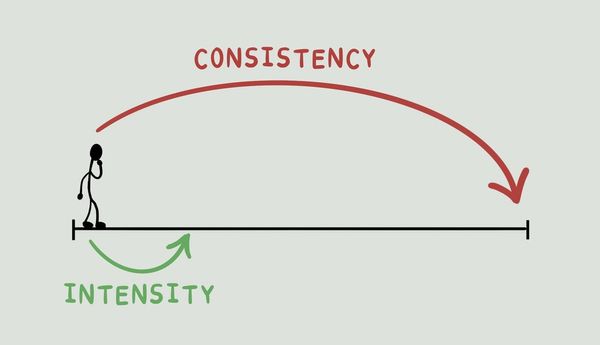
Consistency Succeeds
If you’re looking to hide a stab in messages, the trick is to remain consistent. When you were building the alliance, you were all about how you could help each other and what moves to make to achieve your common goals. You didn’t need to be persuasive because you had things in common.
Now, when you’re considering ending the alliance, your goals have changed. You can’t allow that to come through in your messages. The other player is, hopefully, still invested in the alliance, they still have things to achieve that you can help with and that should help you. You have to make them see that you’re still as invested as you ever were and changing the level of discussion, changing the type of discussion, should set off alarm bells.
On the other side of the board, if your ally changes something in the way they’re messaging you, you should be hearing that alarm. What’s changed? Why has it changed? Have they upped the intensity of their efforts to persuade you of something, rather than discussing the meat of the problem? Uh-oh!
Always keep in mind what the other player wants. You can avoid a stab by working towards that with them; and you can increase the chances of success when stabbing by seeming to be invested in the other player’s objectives. If the other person doesn’t seem to be interested in pushing you forward with them, then find your armour – you’re going to need it.
POSTS IN THIS SERIES:
- Harbingers of Betrayal: Introduction
- Harbingers of Betrayal: Findings
- Harbingers of Betrayal: Lessons


 THE DIPLOMATICON
Leave a comment